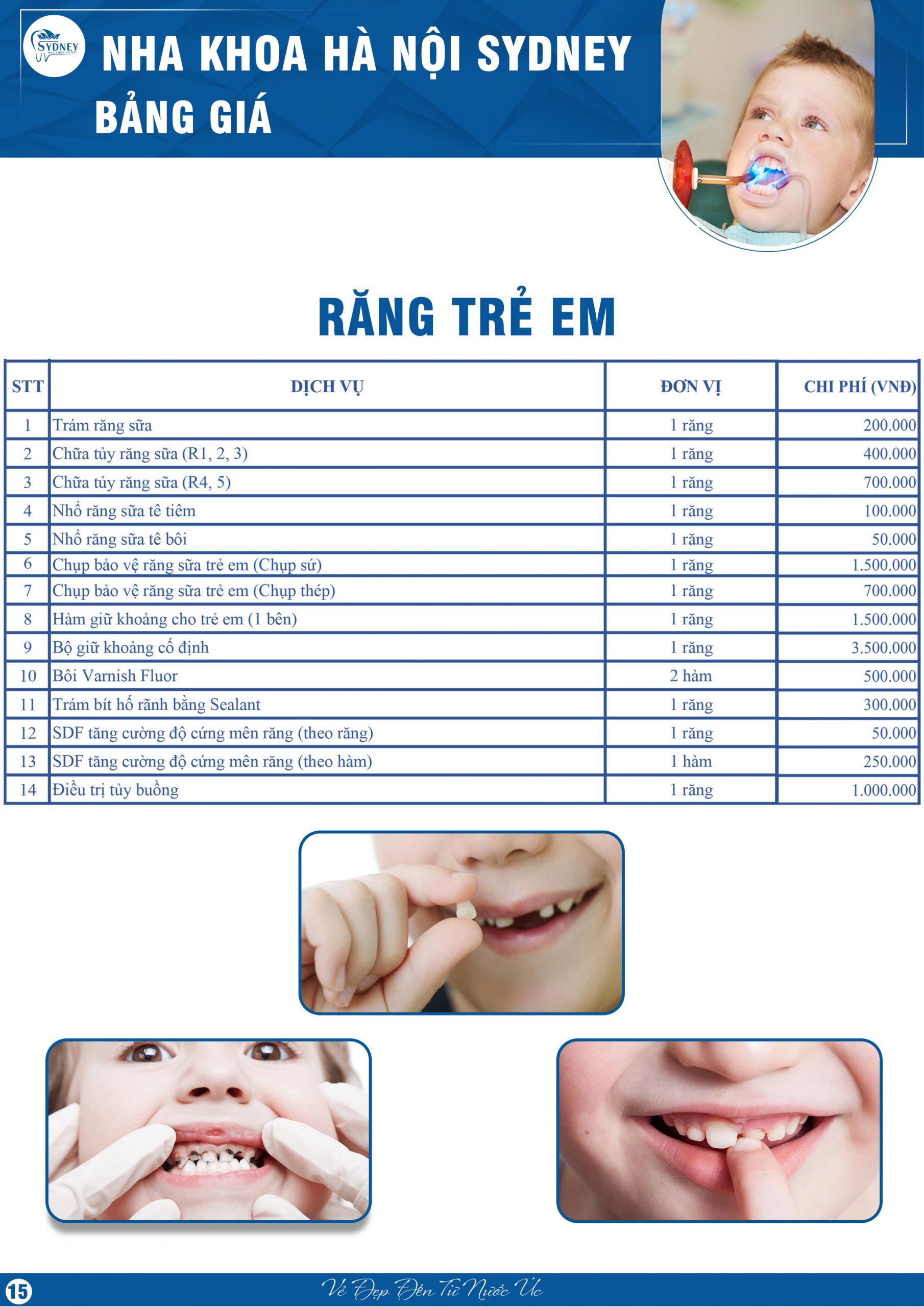
Pediatric Dentistry: Baby Teeth & Permanent Teeth Development in Children
Meta Description (SEO)
Learn about baby teeth eruption, permanent teeth growth, and tooth replacement stages in children. Expert tips from Hanoi Sydney Dental Clinic for healthy smiles.
Introduction
Understanding your child’s dental development is essential for maintaining good oral health. From the eruption of baby teeth to the replacement with permanent teeth, each stage plays a crucial role in shaping a healthy and beautiful smile. At Hanoi Sydney Dental Clinic, we provide expert pediatric dental care to support your child’s oral development at every stage.
1. When Do Baby Teeth Appear?
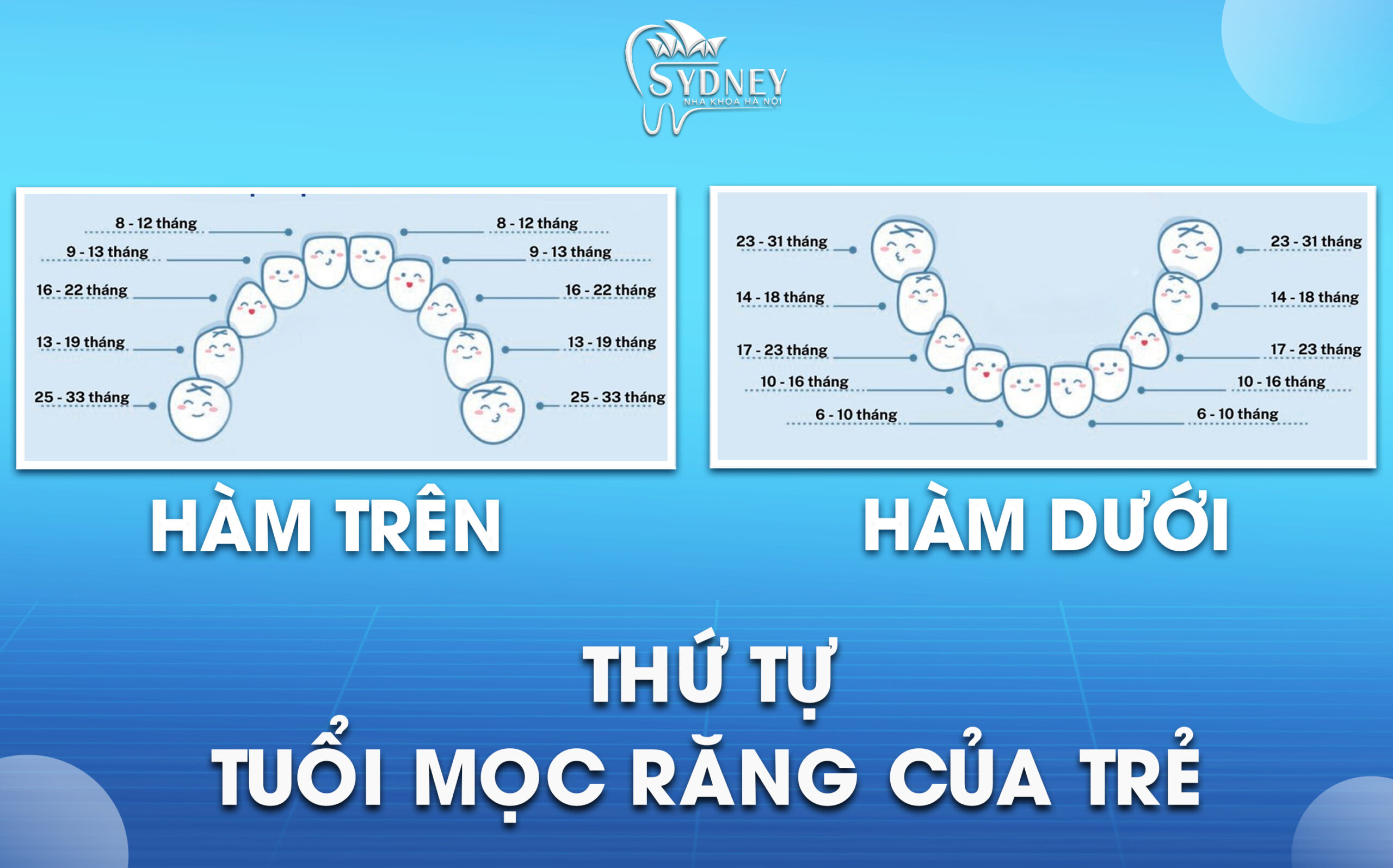
Baby teeth (primary teeth) usually begin to erupt when a child is around 6 months old, and most children will have a full set of 20 baby teeth by the age of 3.
Typical Timeline:
-
6–7 months: Lower front teeth (central incisors)
-
8–9 months: Upper front teeth (central incisors)
Baby teeth are important for:
-
Chewing and nutrition
-
Speech development
-
Maintaining space for permanent teeth
If a child reaches 10 months without any teeth, parents should consult a pediatric dentist.
2. When Do Permanent Teeth Grow?
Permanent teeth begin to replace baby teeth from around 6 years old.
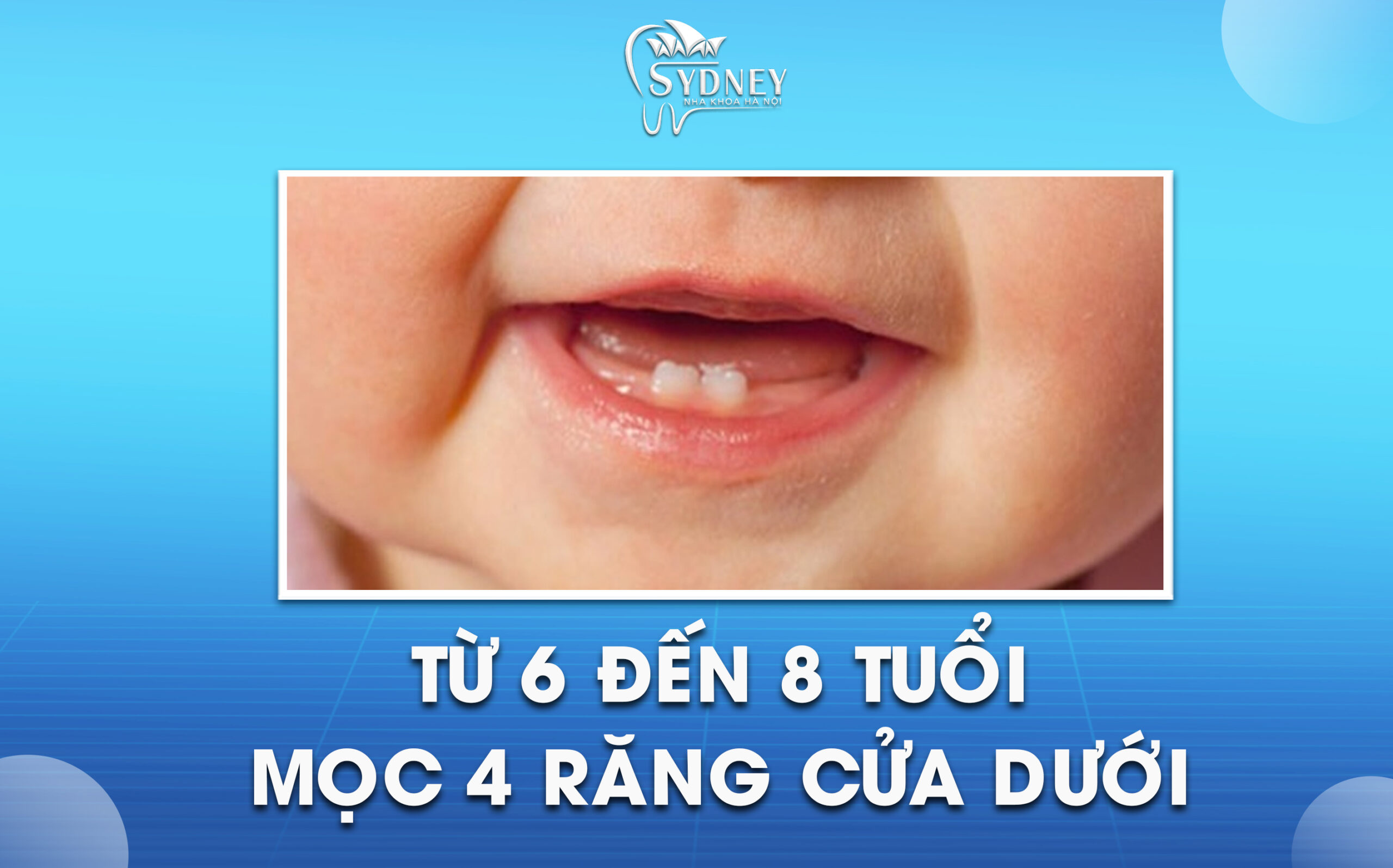
Typical Timeline:
-
6–8 years: Lower incisors erupt
-
7–9 years: Upper incisors erupt
Permanent teeth grow beneath baby teeth and gradually push them out. This natural process ensures proper alignment if monitored correctly.
3. Tooth Replacement Process in Children
Tooth replacement usually begins between 5–6 years old and continues until early teenage years.
Normal Signs:
-
Baby teeth become loose
-
New teeth appear in the same position
Important Notes:
-
Do not pull baby teeth at home
-
Early or delayed tooth loss should be checked by a dentist
In some cases:
-
Baby teeth do not fall out → dentist may remove them
-
Permanent teeth grow incorrectly → orthodontic guidance may be needed
4. When Should You Take Your Child to the Dentist?

Parents should take children to the dentist if:
-
Teeth erupt too late or too early
-
Teeth grow crooked or crowded
-
Baby teeth fall out abnormally
-
The child experiences pain or swelling
Regular dental visits every 6 months are recommended to ensure healthy development.
5. How to Care for Children’s Teeth
Good oral hygiene habits are key to preventing dental problems:
-
Under 3 years: Brush with water only
-
Over 3 years: Use a small amount of children’s toothpaste
-
Brush teeth at least twice a day
-
Limit sugary foods and drinks
-
Avoid bad habits like thumb sucking and tongue thrusting
Soft foods such as porridge and soup can help during teething discomfort.
Conclusion
Monitoring your child’s dental development from baby teeth to permanent teeth is essential for long-term oral health. With proper care and regular dental check-ups, children can develop strong, healthy, and well-aligned teeth.