Nội Dung
1. What is Orthodontic Treatment (Braces)?
Misaligned teeth such as crowding, crooked teeth, overbite, or underbite are common conditions that many people experience today. These issues can affect confidence in communication and make people feel self-conscious.
You may be wondering: What is orthodontic treatment? How much do braces cost? What is the process and how long does it take?
Let’s explore these questions together with Hanoi Sydney Dental Clinic!
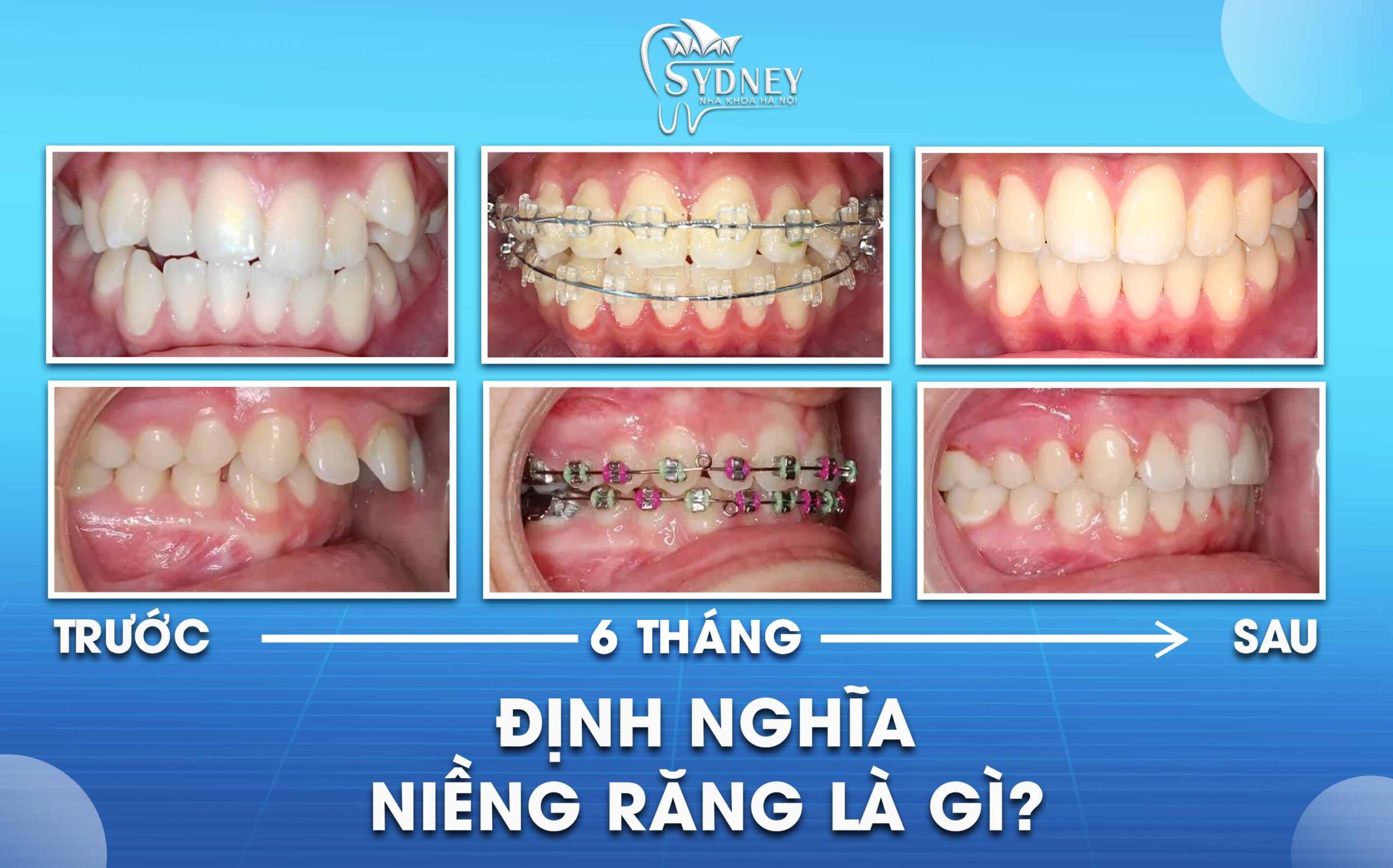
Orthodontic treatment (braces) is a method in which dentists use specialized appliances, such as brackets and wires, attached to the teeth to gradually move misaligned teeth into their correct positions.
This treatment helps correct conditions such as overbite, underbite, crowding, spacing, and crooked teeth, improving both function and aesthetics.
As a result, you can achieve a straighter, more attractive smile and feel more confident in your daily communication.
2. Types of Orthodontic Treatment (Braces)
Today, there are many different orthodontic treatment options available in modern dentistry. To help you better understand and avoid confusion when choosing the right method, Hanoi Sydney Dental Clinic has compiled and analyzed the most common types of braces.
Let’s explore each method in detail!
2.1 Traditional Braces
2.1.1 Ceramic Braces
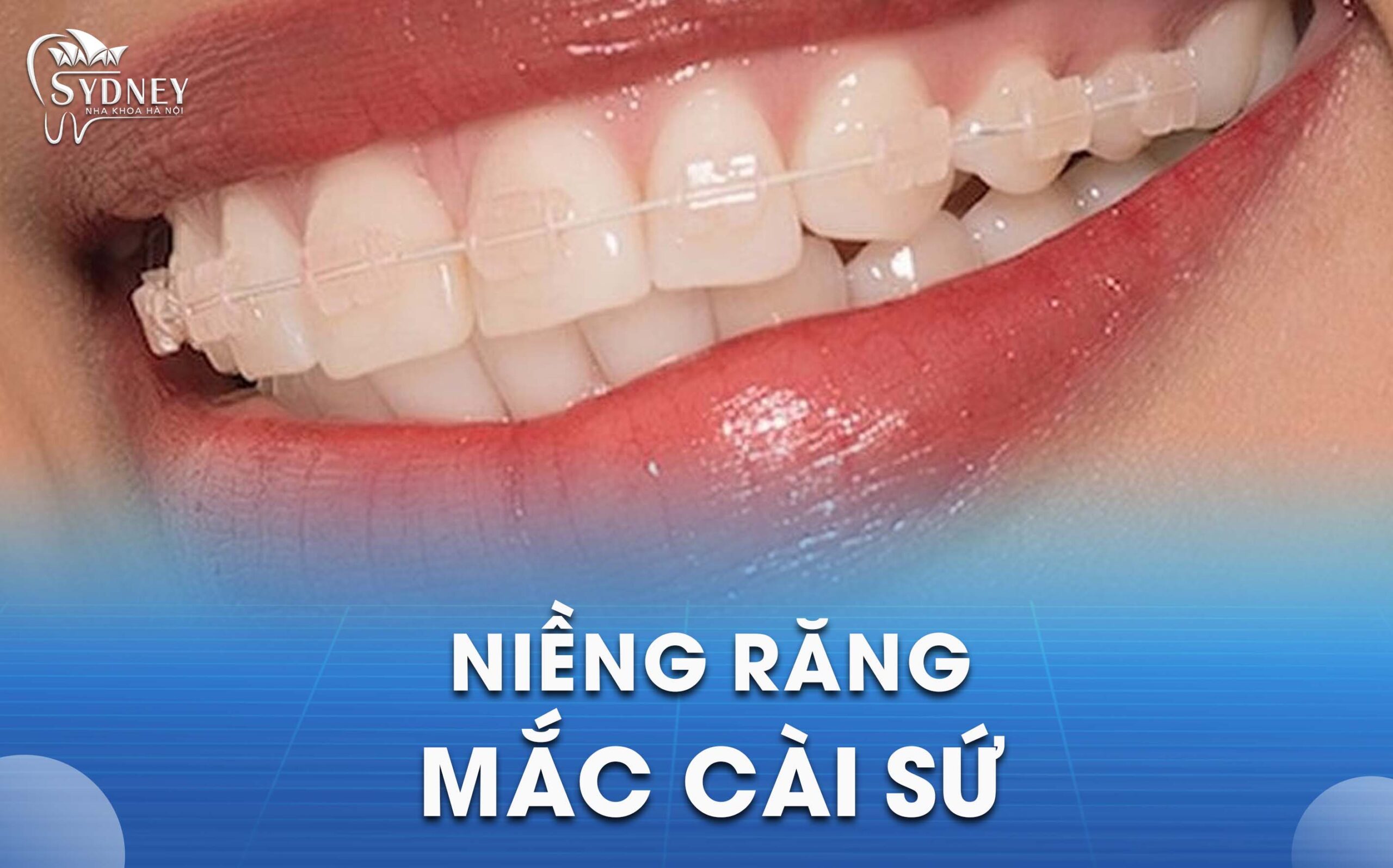
Ceramic braces are an orthodontic treatment method in which dentists use brackets made from high-quality ceramic materials. These brackets, combined with archwires and other orthodontic appliances, work together to gradually move misaligned teeth into their correct positions.
Over time, crooked or crowded teeth are aligned properly, helping you achieve a more balanced and aesthetically pleasing smile.
It is no surprise that ceramic braces are one of the most popular choices among patients. One of their main advantages is that the brackets are tooth-colored, making them less noticeable compared to traditional metal braces.
2.1.2 Metal Braces
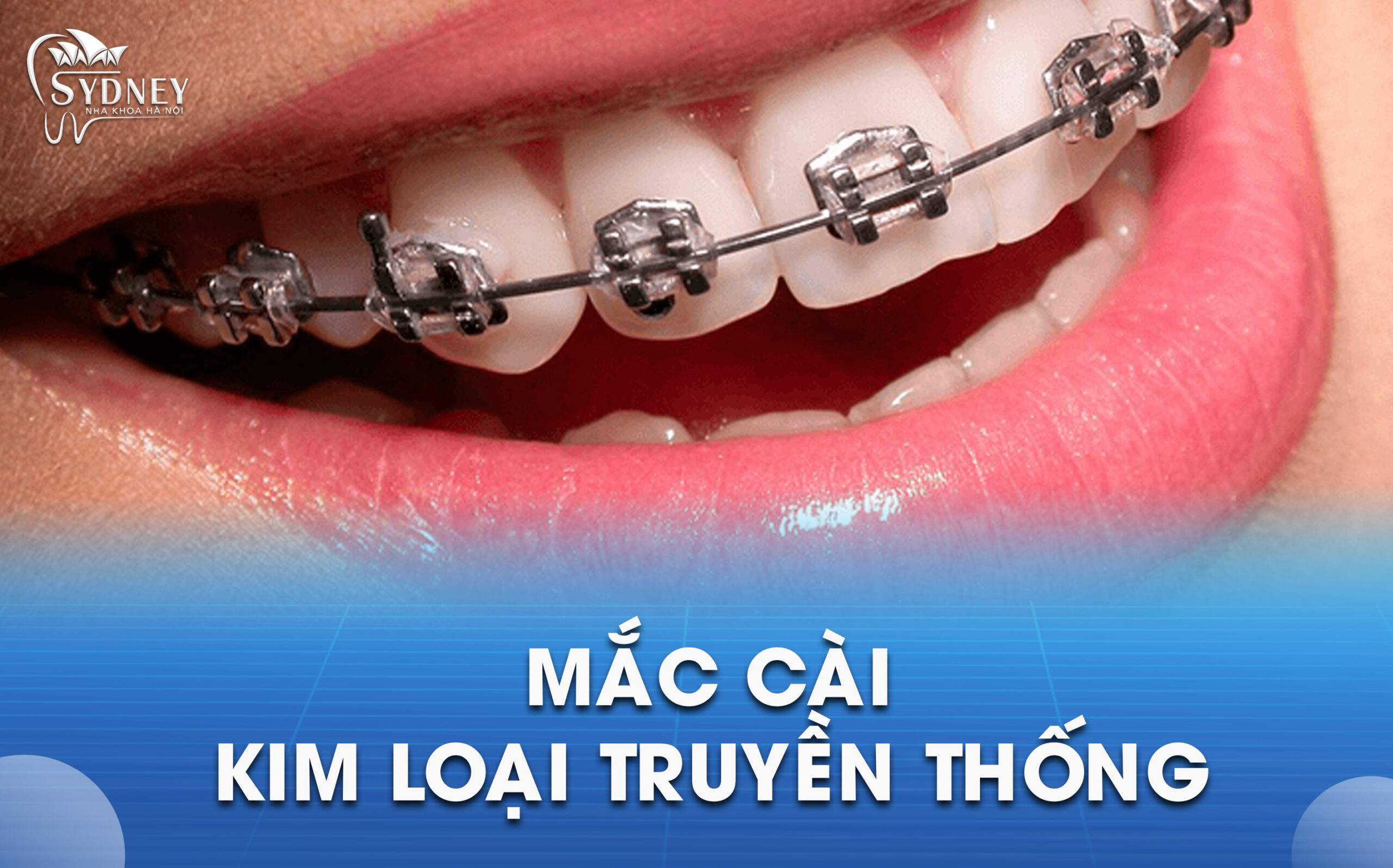
Metal braces are similar to ceramic braces in terms of how they work. However, in this method, the brackets are made from high-quality stainless steel commonly used in dentistry.
This type of braces offers several advantages, especially its affordability, making it one of the most cost-effective orthodontic options available.
However, because the brackets and archwires are made of metal, they are more noticeable when you talk or smile. This visibility may make some patients feel less confident in social interactions.
2.1.3 Self-Ligating Braces
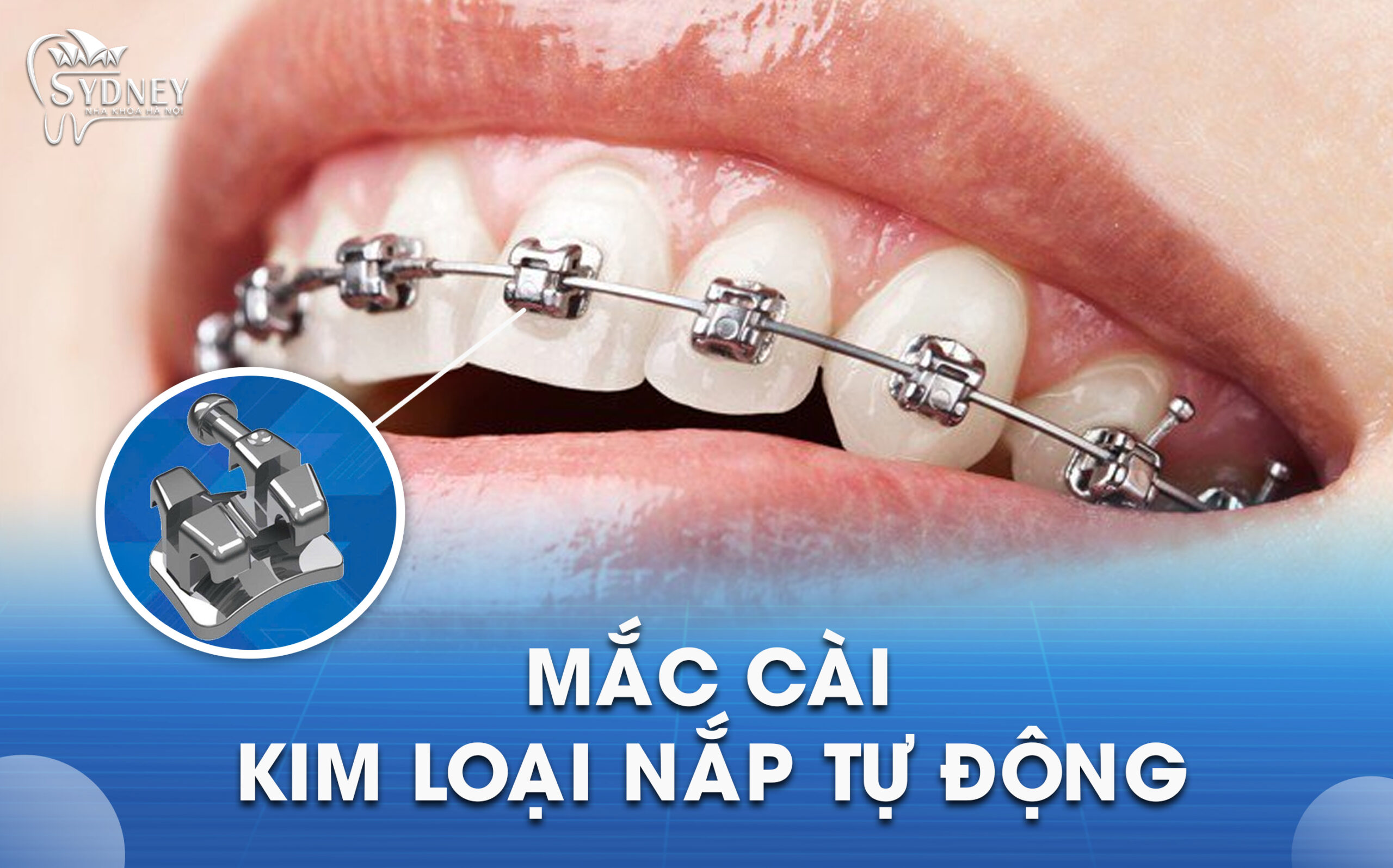
Self-ligating braces work similarly to traditional braces, using a system of brackets, archwires, and orthodontic appliances to gradually move teeth into their desired positions.
However, the key difference is that these brackets feature an automatic sliding mechanism (self-ligating clips) that hold the archwire in place, instead of using elastic ties.
This design allows for smoother tooth movement, reduces friction, and makes adjustments more convenient compared to traditional metal or ceramic braces.
Overall, self-ligating braces offer many advantages, including improved comfort, easier maintenance, and more efficient treatment, making them an increasingly popular choice among patients.
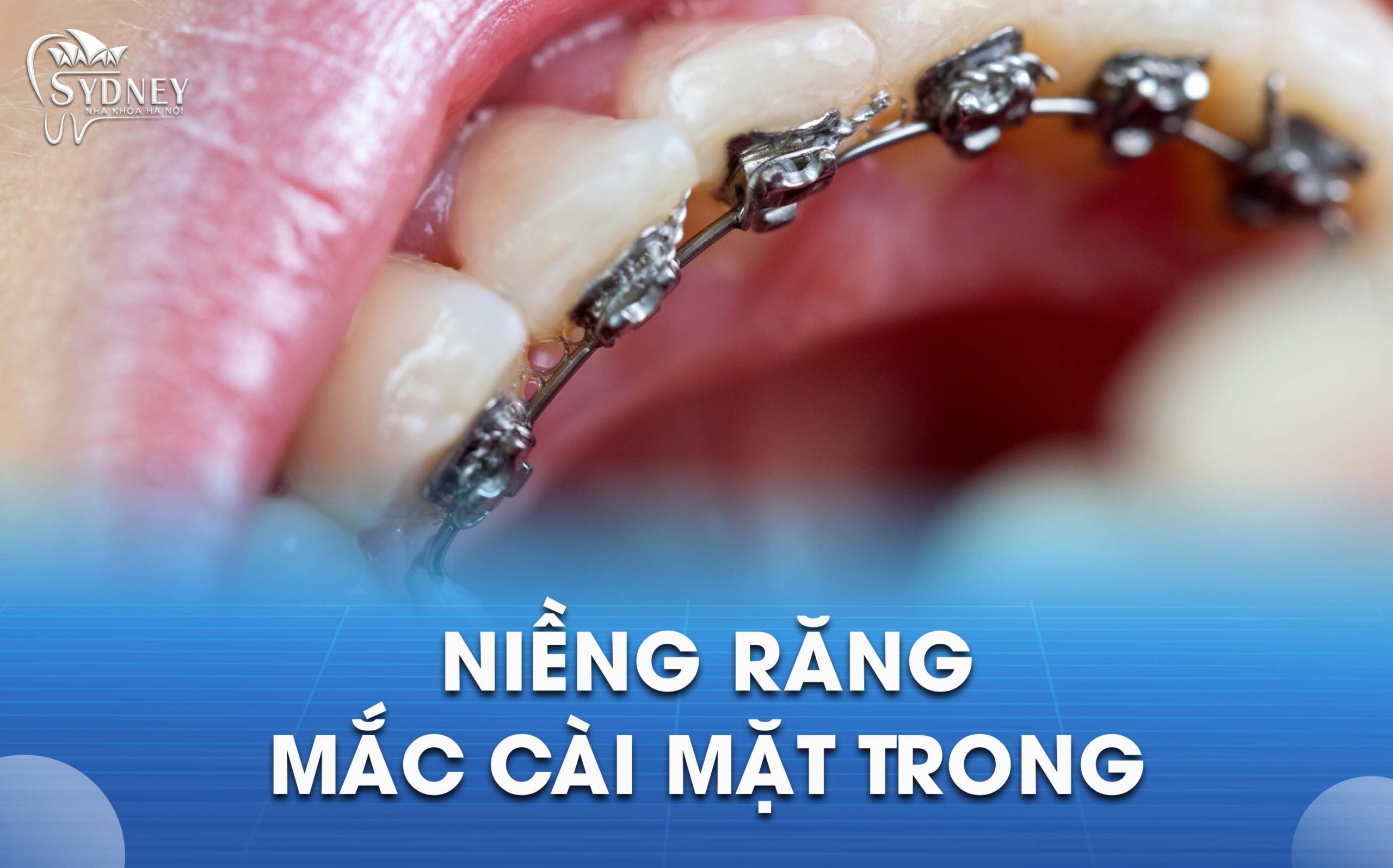
2.1.4 Lingual Braces (Inner Braces)
Lingual braces work in a similar way to traditional metal braces. They use brackets, archwires, and orthodontic appliances to gradually move teeth into the correct position.
The key difference lies in the placement of the brackets. With traditional metal braces, the brackets and wires are attached to the front surface of the teeth. In contrast, lingual braces are placed on the inner (back) surface of the teeth, making them much less visible.
This hidden design provides better aesthetics during treatment, helping patients feel more confident when speaking and smiling throughout the orthodontic process.
2.2 Invisalign Clear Aligners (Braces Without Brackets)
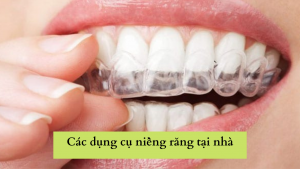
As the name suggests, this orthodontic method does not require traditional brackets or archwires like the options mentioned above. Instead, it uses a series of clear, custom-made aligners to gently and gradually move misaligned teeth into their correct positions.
These transparent aligners fit snugly over your teeth, helping to guide them into alignment while remaining nearly invisible.
This makes Invisalign an ideal choice for patients who want a more discreet and comfortable orthodontic treatment option.
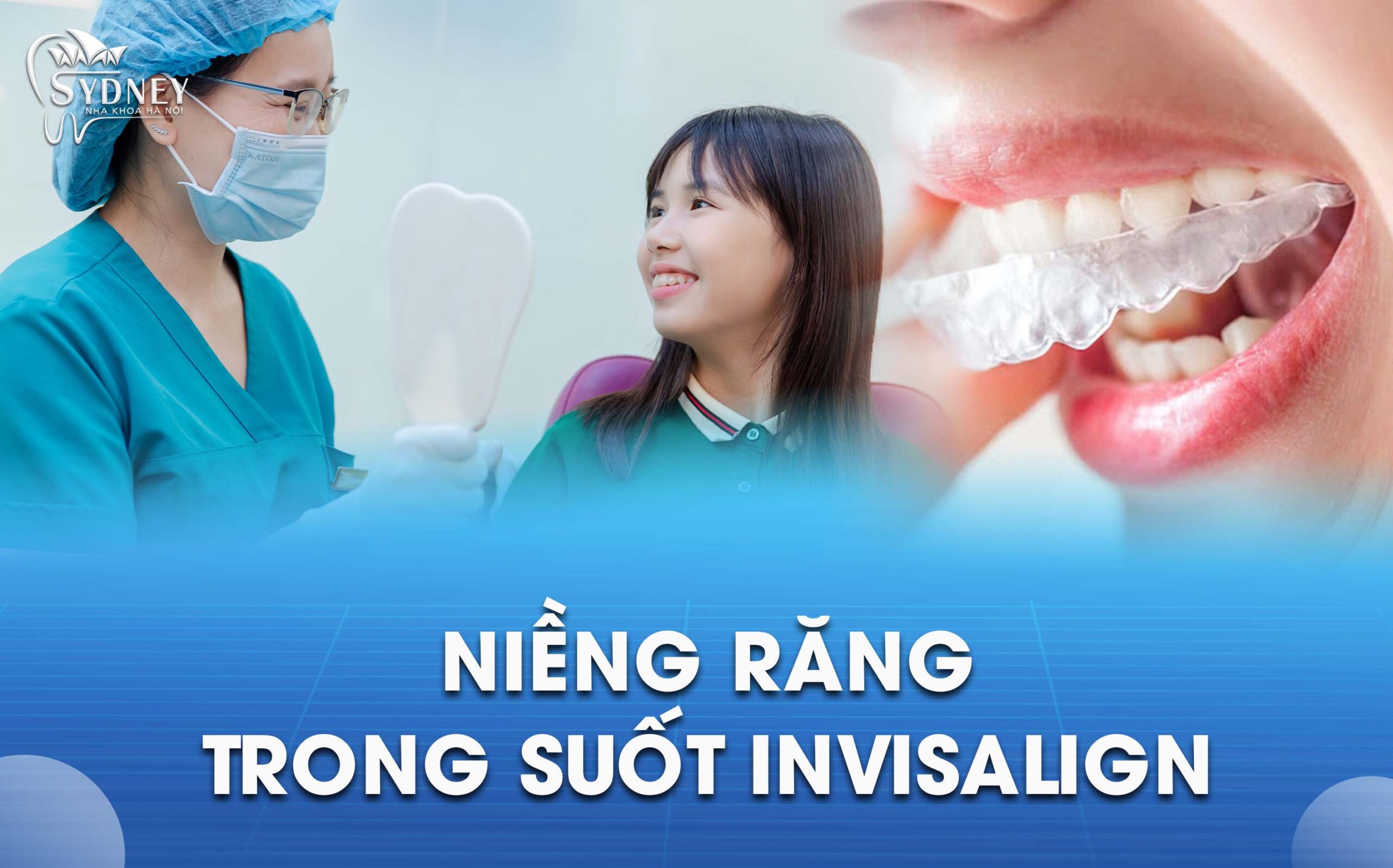
Invisalign clear aligners are one of the less commonly used orthodontic methods, mainly due to their higher cost compared to traditional braces. Not everyone can afford this treatment option.
However, in return, patients do not have to worry about the discomfort or self-consciousness caused by visible brackets and wires. Invisalign offers a more comfortable and aesthetic experience throughout the treatment.
One of the key advantages of this method is that the aligners are removable, allowing patients to easily take them out when eating, drinking, or cleaning their teeth.
3. How Much Do Braces Cost?
Braces have become increasingly popular among young people in Vietnam. However, the cost of orthodontic treatment is still relatively high compared to the average income level.
Hanoi Sydney Dental Clinic often receives questions such as:
-
How much do braces cost?
-
What is the price of Invisalign?
-
How much do ceramic braces cost?
-
How much do metal braces cost?
-
What is the total cost of orthodontic treatment?
After gathering these common questions, Hanoi Sydney Dental Clinic would like to provide an overview of the orthodontic treatment costs at our clinic as follows:
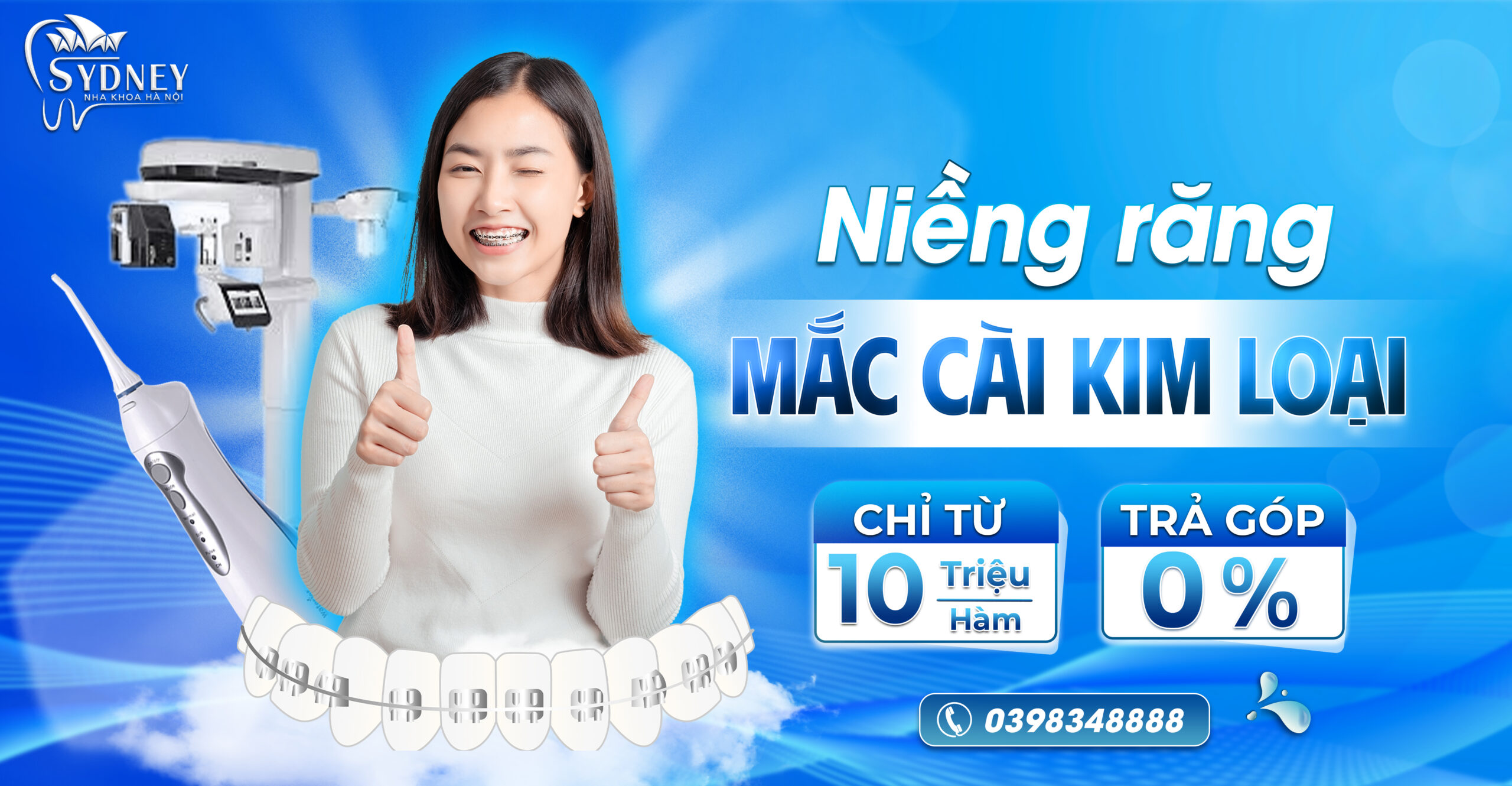
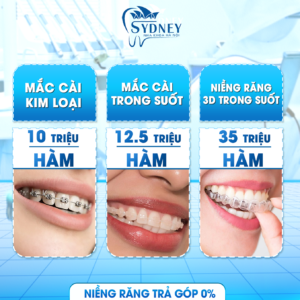
Orthodontic Pricing (Braces Cost)
Braces with Brackets
-
Metal Braces
Original Price: 30,000,000 VND / full set
Promotion: 20,000,000 VND / full set -
Crystal Clear Braces (High Aesthetic)
Original Price: 45,000,000 VND / full set
Promotion: 25,000,000 VND / full set -
Ceramic Braces (Tooth-Colored)
Original Price: 40,000,000 VND / full set
Promotion: 28,000,000 VND / full set -
Premium Self-Ligating Ceramic Braces
Original Price: 55,000,000 VND / full set
Promotion: 45,000,000 VND / full set -
Premium Self-Ligating Metal Braces
Original Price: 40,000,000 VND / full set
Promotion: 36,000,000 VND / full set
Invisalign Clear Aligners
-
Moderate Package (26 aligners)
Original Price: 100,000,000 VND
Promotion: 90,000,000 VND -
Comprehensive Package (Unlimited aligners)
Original Price: 120,000,000 VND
Promotion: 108,000,000 VND
4. 0% Interest Installment Plan at Hanoi Sydney Dental Clinic
Metal Braces
-
First Payment: Consultation (Free) → 2,000,000 VND
-
Second Payment (after 7 days): 8,000,000 VND
-
Remaining: 10,000,000 VND → Installment over 12 months
Only ~833,000 VND/month
Crystal Clear Braces
-
First Payment: 3,000,000 VND
-
Second Payment: 9,500,000 VND
-
Remaining: 12,500,000 VND → Installment 12 months
Only ~1,040,000 VND/month
Ceramic Braces
-
First Payment: 3,000,000 VND
-
Second Payment: 11,000,000 VND
-
Remaining: 14,000,000 VND → Installment 12 months
Only ~1,160,000 VND/month
Invisalign
Moderate Package
-
Total: 90,000,000 VND
-
Initial Payment: 30,000,000 VND
-
Installment: 5,000,000 VND/month (12 months, 0% interest)
-
Warranty: 3 years
Comprehensive Package
-
Total: 108,000,000 VND
-
Initial Payment: 30,000,000 VND
-
Installment: 6,500,000 VND/month (12 months, 0% interest)
-
Warranty: 5 years
Special Benefits
-
0% interest installment via bank support
-
Free teeth whitening + retainer package (worth 2,000,000 VND) after treatment
5. Orthodontic Treatment Process
Step 1: Examination & X-ray
Dentists will examine your oral condition and take X-rays to accurately assess issues such as misalignment, overbite, underbite, or spacing.
Step 2: Consultation & Treatment Plan
You will receive a detailed explanation of your condition and a personalized treatment plan, including tooth movement and timeline.
Step 3: Treatment Agreement
Patients sign a service agreement to ensure full transparency and benefits during treatment.
Step 4: Cleaning & Impressions
Professional cleaning and dental impressions are taken to track progress throughout treatment.
Step 5: Braces Placement
Braces are applied (usually one arch first, then the second after 1–2 weeks). Both arches can be applied at once if needed.
Step 6: Regular Check-ups
Follow-up visits every 4–6 weeks for adjustments. Average treatment time is around 2 years.
Step 7: Braces Removal & Retainer
After treatment, retainers are required to maintain results and prevent teeth from shifting back.
6. Before & After Braces Results
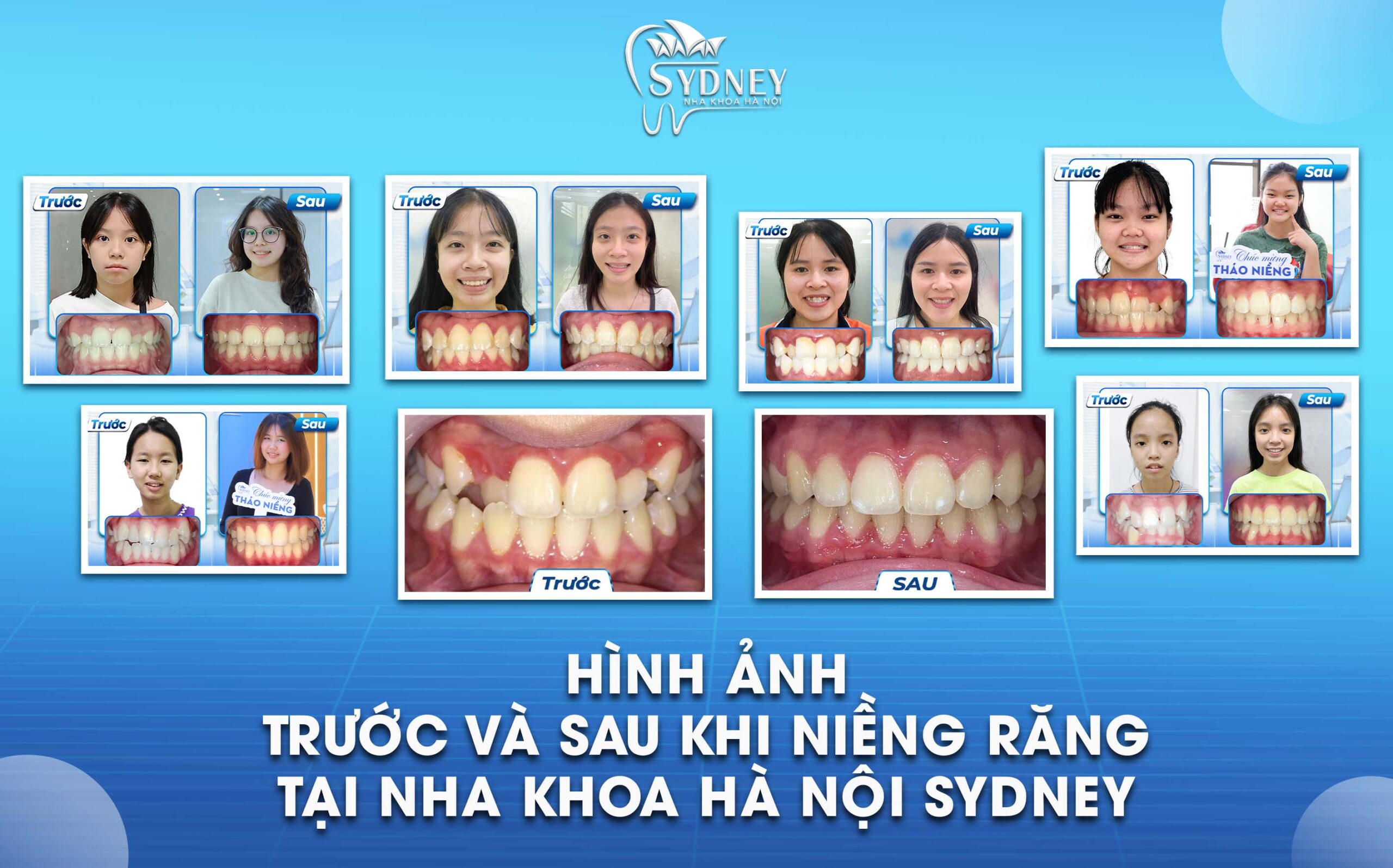
At the beginning of treatment, teeth may still appear crowded or misaligned, and braces can affect aesthetics.
However, after completing orthodontic treatment, patients achieve a well-aligned, beautiful smile, significantly improving confidence in communication and daily life.
7. Common Bite Problems That Require Braces
7.1 Overbite / Protruding Teeth (Buck Teeth)
What is an Overbite?
An overbite (protruding or buck teeth) occurs when the teeth or jaw extend forward beyond the normal position, affecting both facial aesthetics and bite function.
There are two main ways to treat this condition:
-
Orthodontic treatment (braces)
-
Jaw surgery
Depending on the severity, treatment may involve either one method or a combination of both.
In mild cases, the teeth may simply be slightly tilted forward rather than properly aligned. In more severe cases, the upper teeth protrude significantly compared to the lower teeth, which is easily noticeable.
For an accurate diagnosis, it is recommended to visit a dental clinic or hospital, where dentists can examine your condition and provide the most suitable treatment plan.
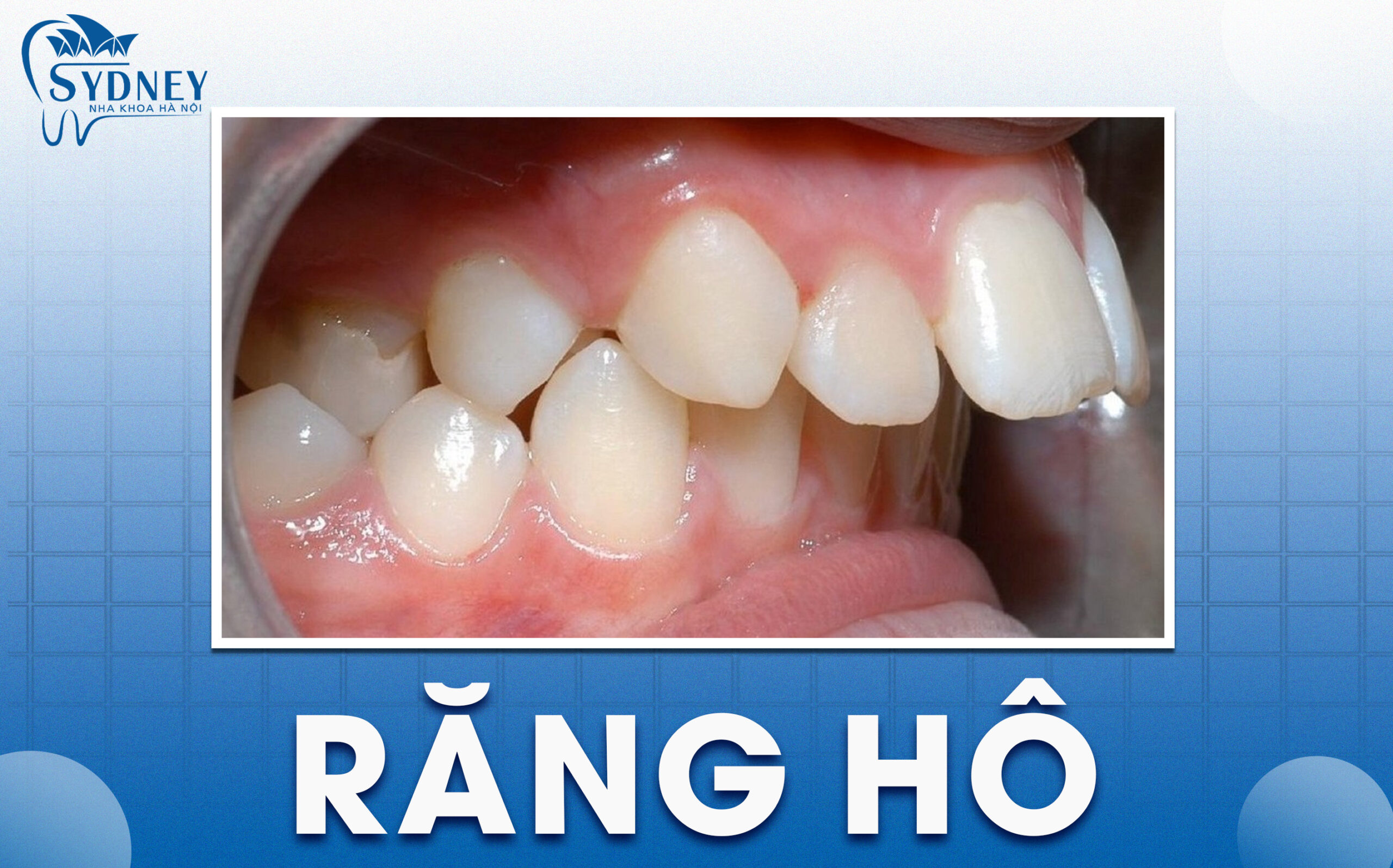
Causes of Overbite / Protruding Teeth
There are many causes of protruding teeth (overbite). One common reason is misaligned tooth growth, such as front teeth growing forward instead of vertically.
It can also be caused by teeth that are too large for the jaw, resulting in insufficient space. This leads to teeth growing outward or crowding together.
Another common cause is childhood habits, such as prolonged thumb sucking or pacifier use during the tooth replacement stage. These habits can cause baby teeth to fall out early without proper intervention, leading to misaligned permanent teeth that grow in crowded or outward positions.
Therefore, parents should pay close attention to their children’s oral habits to prevent future orthodontic problems.
Learn more: Everything you need to know about overbite treatment
7.2 Canine Teeth (Snaggle Tooth) Correction
What is a Snaggle Tooth?
A snaggle tooth refers to a canine tooth (usually the third tooth from the center) that grows out of alignment, often protruding outward.
In some cases, it can create a charming or unique smile. However, not all facial structures benefit from it, and many patients wonder whether they should remove or correct it with braces.
A snaggle tooth is considered aesthetically pleasing only when it is moderate, balanced, and harmonious with the face—not too sharp or overly protruding.
Common Issues with Snaggle Teeth
-
Excessively sharp and protruding outward
-
Crowded and discolored (yellowish appearance)
-
Causes bite misalignment between upper and lower jaws
-
Affects chewing ability
-
Food easily gets trapped → increases risk of gum disease
When Should It Be Treated?
-
If it causes tooth decay, pulpitis, or periodontal disease → extraction may be required
-
If it grows abnormally, too large, or misaligned → orthodontic treatment is recommended
7.3 Underbite (Reverse Bite)
What is an Underbite?
An underbite is a common type of malocclusion where the lower teeth protrude beyond the upper teeth when the mouth is closed.
Causes of Underbite
-
Genetics: Family history increases the likelihood
-
Childhood habit of pushing the lower jaw forward
-
Hormonal disorders (pituitary gland issues) affecting jaw development
-
Early loss of baby molars, causing lower teeth to shift forward
-
Excessive tongue activity disrupting balance between lips, cheeks, and tongue
7.4 Spacing (Gapped Teeth)
What is Teeth Spacing?
Teeth spacing occurs when there are visible gaps between teeth instead of tight contact.
This condition can:
-
Trap food easily
-
Make oral hygiene more difficult
-
Reduce confidence when smiling or speaking
Causes of Spacing
-
Genetic factors
-
Bad habits (e.g., using large toothpicks frequently)
-
Oral diseases
-
Impacted or missing teeth
8. Frequently Asked Questions About Braces
Orthodontic treatment is a topic of great interest today. At Hanoi Sydney Dental Clinic, we receive many questions from patients. Below are some common FAQs answered by our dentists.
8.1 How Long Does Braces Treatment Take?
Orthodontic treatment is typically divided into several stages:
-
Stage 1 (2–6 months): Aligning teeth into correct positions
-
Stage 2 (3–6 months): Adjusting tooth axes and angles
-
Stage 3 (6–9 months): Correcting bite alignment and balancing teeth
-
Stage 4 (Retention phase): Maintaining stable results and preventing relapse
On average, the total treatment time is around 18–24 months, depending on the case.
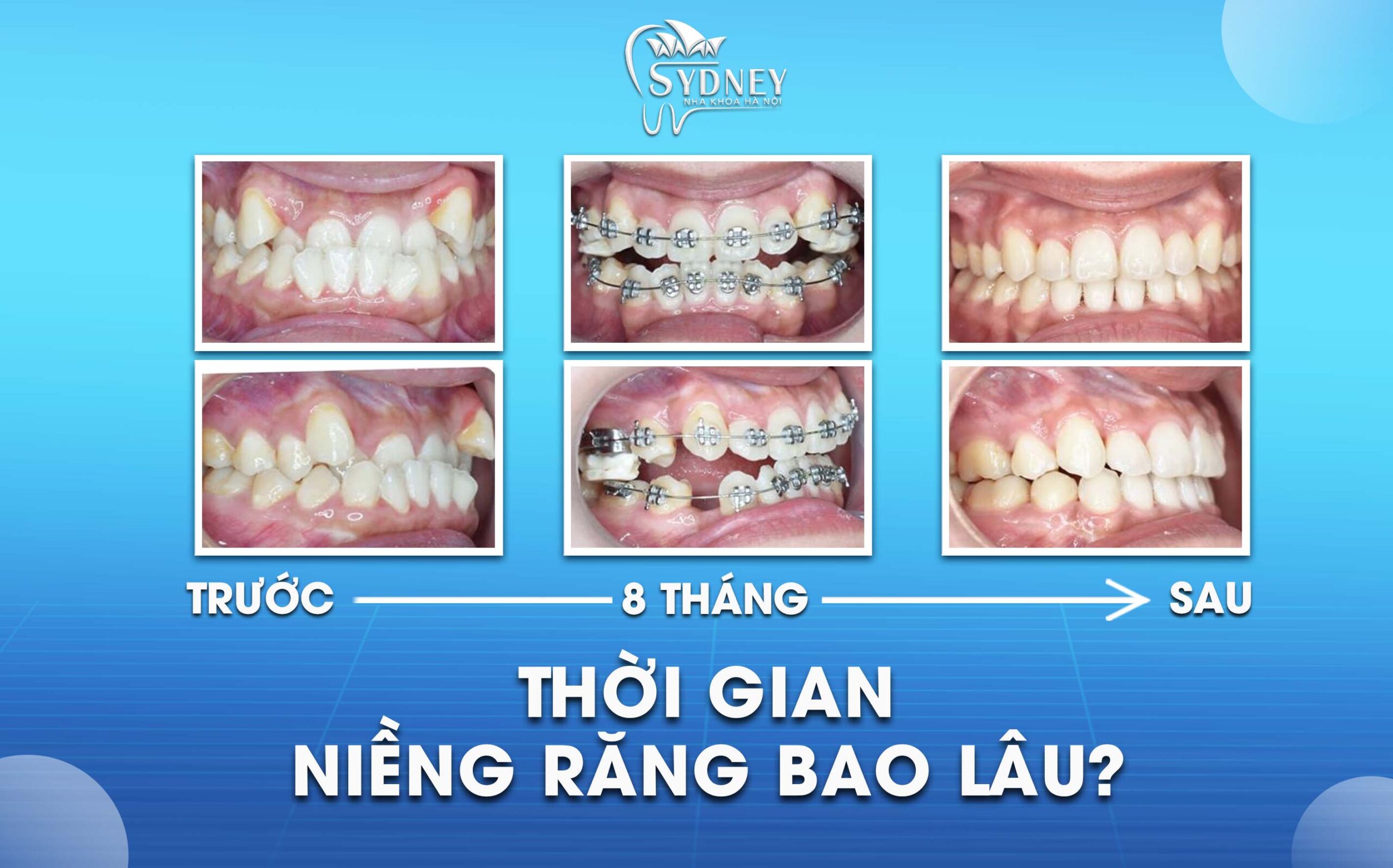
Overall Braces Treatment Time
In general, orthodontic treatment takes at least 14 months, depending on your dental condition. On average, most patients require around 24 months or longer.
Treatment duration varies based on several factors, including:
-
Age
-
Severity of misalignment (overbite, underbite, crowding, etc.)
-
Individual response to treatment
8.2 What Should You Eat with Braces?
During the first week of treatment or 2–3 days after adjustments, teeth may feel sore due to pressure. Therefore, you should choose soft, easy-to-chew, and nutritious foods.
Recommended foods include:
-
Blended meat porridge or soft soups
-
Cheese, butter, and yogurt
-
Egg-based dishes (rich in Vitamin D)
-
Cereals, rice, noodles
-
Slow-cooked, tender meat dishes
-
Boiled vegetables for fiber
-
Fruit smoothies or juices (avoid hard fruits)
8.3 Ideal Age for Braces
The suitable age for braces typically ranges from 12 to under 50 years old. However, patients aged 35–50 are usually advised to undergo careful evaluation before treatment.
The ideal age for orthodontics is between 12 and 35, especially 12–16 years old, when:
-
Permanent teeth have fully erupted
-
Jawbones are still developing
This allows for faster and more effective treatment.
If you miss this stage, ages such as 23, 25, or even early 30s are still good times for orthodontic treatment.
8.4 Benefits of Braces
Braces offer many important benefits:
-
Improve facial aesthetics and smile
-
Enhance chewing function
-
Make oral hygiene easier
-
Prevent the need for prosthetic teeth
-
Help prevent dental problems in children
-
Build better oral care habits
-
Improve speech issues
-
Boost confidence in communication
8.5 Do Braces Hurt?
Braces can cause mild discomfort or soreness, especially during the first few days or after adjustments.
However, the level of discomfort varies from person to person depending on:
-
Pain tolerance
-
Dental condition
The discomfort is temporary and will gradually decrease over time.
8.6 What is “Braces” in English?
-
Orthodontics: A technical term derived from Greek, meaning tooth alignment. (Less commonly used in daily conversation)
-
Braces: The most common and widely used term
9. How to Choose a Reputable Dental Clinic for Braces
With many dental clinics available today, choosing a trusted one can be challenging. Here are key factors to consider:
-
Experienced and qualified dentists
-
Long-standing reputation
-
Dedicated patient care
-
0% installment payment options
-
Modern equipment and facilities
-
Convenient location for regular visits
Hanoi Sydney Dental Clinic – Trusted Orthodontic Provider in Hanoi
Located at 92 Nguyen Chanh Street, Trung Hoa Ward, Cau Giay District, Hanoi, Hanoi Sydney Dental Clinic meets all the above criteria.
With a team of experienced dentists trained at leading dental hospitals in Vietnam, the clinic is committed to delivering high-quality, safe, and effective orthodontic treatments for both local and international patients.

Hanoi Sydney Dental Clinic is a trusted destination for your smile, helping you achieve healthy, beautiful teeth and a confident, radiant look.
We are committed to providing high-quality dental care at the most affordable cost.
Don’t wait any longer—visit Hanoi Sydney Dental Clinic today for a free consultation and receive personalized advice on your dental condition.
Book your appointment now!